We start our assessment with the information that can be checked rather than a logo, a familiar name or a promising promotion. For us, the operator, licence and domain must refer to the same legal business. If we cannot confirm that relationship, we explain the uncertainty rather than filling the gap with an assumption. That is the simplest way to avoid mistaking one brand for another.
Before trusting a gambling website, we confirm the legal entity, current domain and licence scope through identifiable sources. Similar names are not proof of a relationship.
| Decision area | Evidence currently available | UK reader impact |
|---|---|---|
| Identity confidence | The available evidence does not establish which legal entity operates every similarly named website; we treat identity as unverified until documents match. | Do not fund an account until the operator details match |
| Public reviews | Public review entries for another named business cannot establish the reputation of the service being evaluated. | Treat it as evidence for that named business only |
| Payment friction | UK-facing methods and fees require confirmation | Check total deposit and cash-out cost first |
| Game transparency | Provider, RTP and testing information require site-level verification | Prefer visible game information before play |
| Account controls | Limits and exclusion tools require confirmation | Set boundaries only where the controls are accessible |
Licence, Ownership, and Official Domain Checks
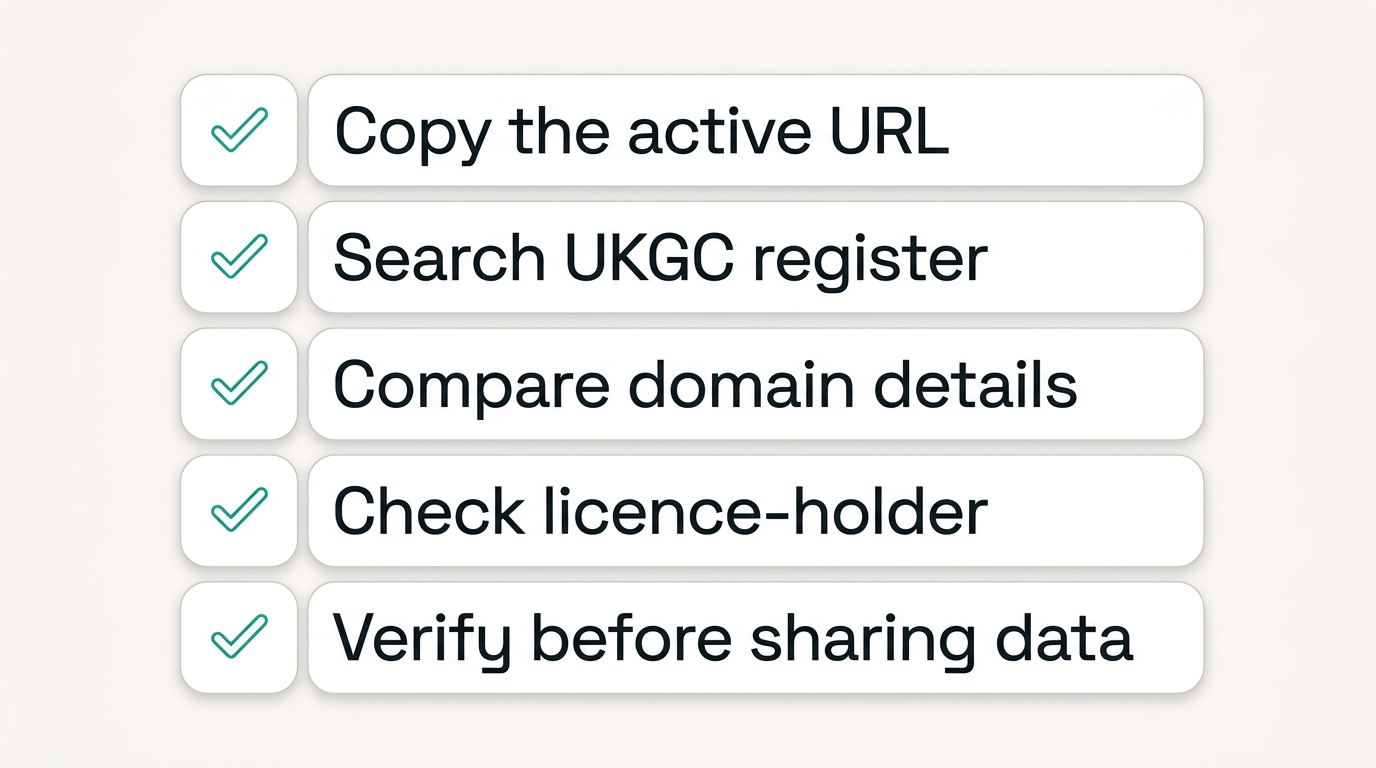
- Confirm the exact domain shown in the casino’s legal pages and make sure the connection uses HTTPS.
- Match the company name, registered address, licence details and support contacts across the terms, footer and account pages.
- Establish whether the operator holds a UK Gambling Commission remote licence or uses an international licence route available from the United Kingdom.
- Read the licence holder’s complaint process, including any independent ADR services, jurisdiction, timescale and whether outcomes bind the operator.
- Reject sites with copied branding, unclear terms, conflicting domain identifiers, or company and contact details that do not match.
Public Reviews and Complaint Patterns
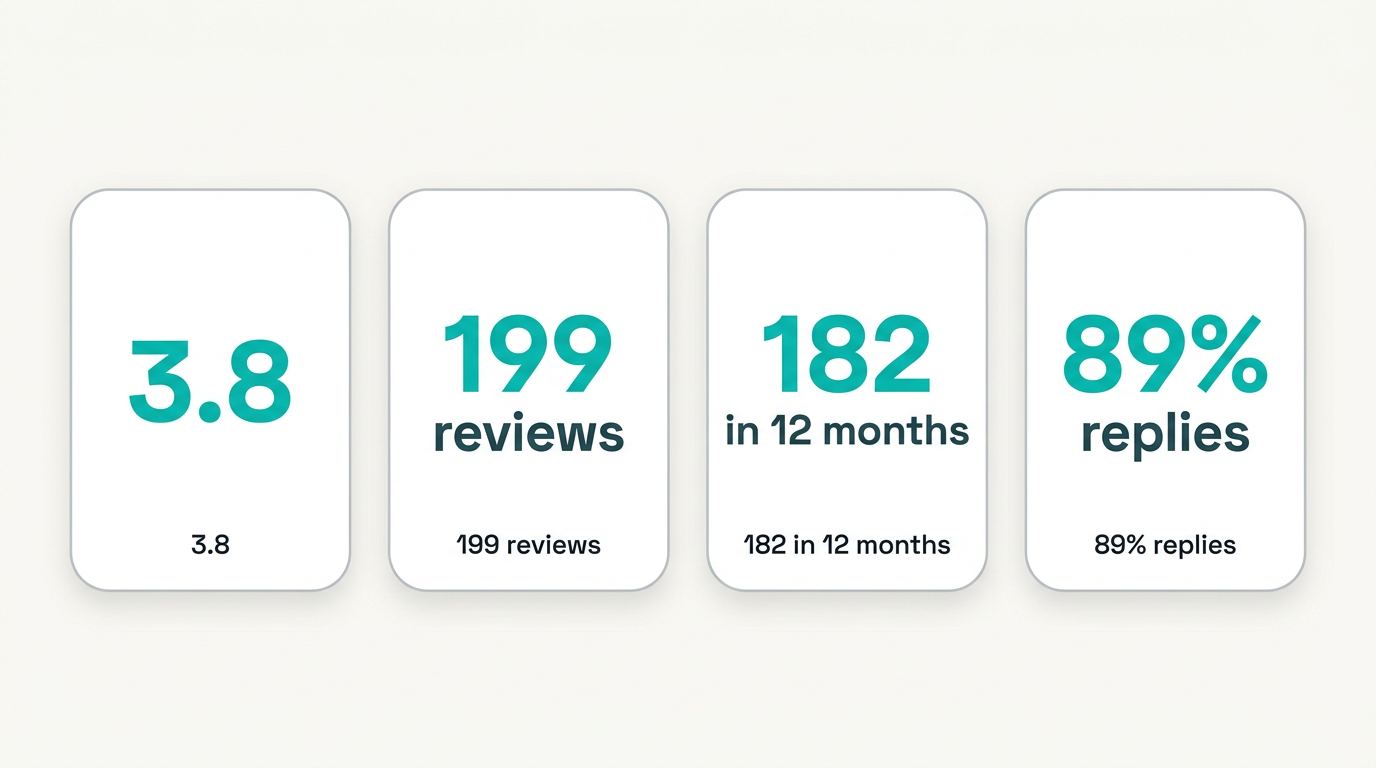
- Payout reports: Some customers describe quick PayPal withdrawals, which supports testing a small withdrawal but does not establish a published withdrawal-processing time.
- Freezing reports: A small number of comments describe freezing during sessions. Test the site on your own device before making a larger deposit.
- Support responses: The stated response rate provides a customer-service signal, but assess whether replies address account facts rather than only acknowledge dissatisfaction.
- Bonus disputes: Complaints about promotions or wagering mean readers should confirm the bonus terms before opting in.
Public reviews work best alongside formal identity evidence. They may reveal recurring service friction but cannot prove allegations about game manipulation or ownership.
Practical checks we recommend
Match the legal entity on the website to an official registry, and record the domain and date of review. A familiar name or polished design does not establish authority to operate in your country. Look for a clear route to independent complaints and for evidence that complaints have been addressed rather than merely answered.
We treat this as a practical checklist rather than a promise about any individual service. Published terms can change after a promotion has been advertised, and availability can differ by country, account status or payment provider. For that reason, we recommend reading the current rules directly, keeping a dated record and testing whether the information applies to your own circumstances. An uncertain detail should remain marked as uncertain in our comparison.
Our method separates the information visible before registration from the evidence that can only be assessed after an account exists. We avoid inferring technical capabilities from images or promotional descriptions. When two sources disagree, we prioritise the written conditions and the competent regulator, and we document the difference instead of smoothing it over.
A good decision also has a stopping rule. If eligibility is unclear, support cannot explain a withdrawal condition or the contract does not identify the responsible business, there is no reason to rush. We prefer to postpone a transaction, request written clarification and choose an option that provides stronger documentation. This preserves control over the budget and reduces avoidable disputes.